high performance flooring cost-effective long term
When evaluating flooring options for commercial, industrial, or residential spaces, long-term value is often more important than initial cost. Many decision-makers ask whether advanced flooring solutions truly deliver financial benefits over time. The answer becomes clearer when considering how high performance flooring is designed to balance durability, safety, and maintenance efficiency. While the upfront investment may be higher than traditional flooring, the long-term savings often justify the choice.
One of the main reasons high performance flooring is considered cost-effective is its exceptional durability. These flooring systems are engineered to withstand heavy foot traffic, machinery movement, chemical exposure, and environmental stress without degrading quickly. Unlike conventional flooring that may crack, warp, or wear down, high performance flooring maintains its structural integrity for many years. This durability reduces the frequency of repairs and replacements, which significantly lowers overall lifecycle costs.
Maintenance expenses also play a major role in long-term cost evaluation. High performance flooring is typically designed with seamless surfaces that resist stains, moisture penetration, and bacterial growth. This makes cleaning faster, easier, and less dependent on specialized chemicals or labor-intensive processes. Over time, reduced cleaning costs and fewer maintenance interventions contribute to measurable savings, especially in large facilities where maintenance budgets can escalate quickly.
Safety-related savings are another often overlooked factor. Flooring that provides slip resistance, impact absorption, and clear visual zoning can help reduce workplace accidents and injuries. High performance flooring supports safer environments by minimizing hazards that lead to falls or equipment damage. Fewer accidents can result in lower insurance claims, reduced liability risks, and less downtime, all of which translate into long-term financial benefits for organizations.
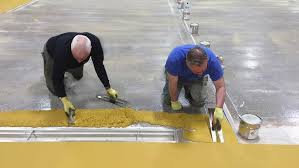
Is high performance flooring cost-effective long term?
Energy efficiency and comfort also influence cost-effectiveness. Certain high performance flooring systems offer thermal insulation and ergonomic benefits, which can improve indoor comfort and reduce energy consumption. In workplaces where employees stand or walk for long periods, ergonomic flooring can help reduce fatigue and injury-related absences. Improved productivity and employee well-being may not appear directly on balance sheets, but they have a tangible economic impact over time.
Another factor contributing to long-term value is adaptability. High performance flooring can be customized or upgraded without complete removal, allowing spaces to evolve without major renovation costs. This flexibility is especially valuable in commercial and industrial settings where operational needs change. By extending the usable life of the flooring system, organizations avoid the recurring expense of full-scale replacements.
From a sustainability perspective, longer-lasting flooring reduces material waste and replacement frequency, aligning with environmentally responsible practices. High performance flooring often supports sustainable building goals while also lowering long-term operational costs. When viewed through a lifecycle cost analysis rather than initial price alone, the financial advantages become evident.
In the long run, cost-effectiveness is defined by performance, reliability, and reduced ownership expenses. By delivering durability, safety, low maintenance, and adaptability, high performance flooring proves to be a smart investment that pays dividends well beyond the initial installation.